Scrap Metal Prices in Barrie: What Is Your Scrap Worth?
If you have old copper wire, aluminum, brass, steel, stainless steel, car parts, or other recyclable metal sitting around, one of the first questions is usually the same: how much is my scrap actually worth?
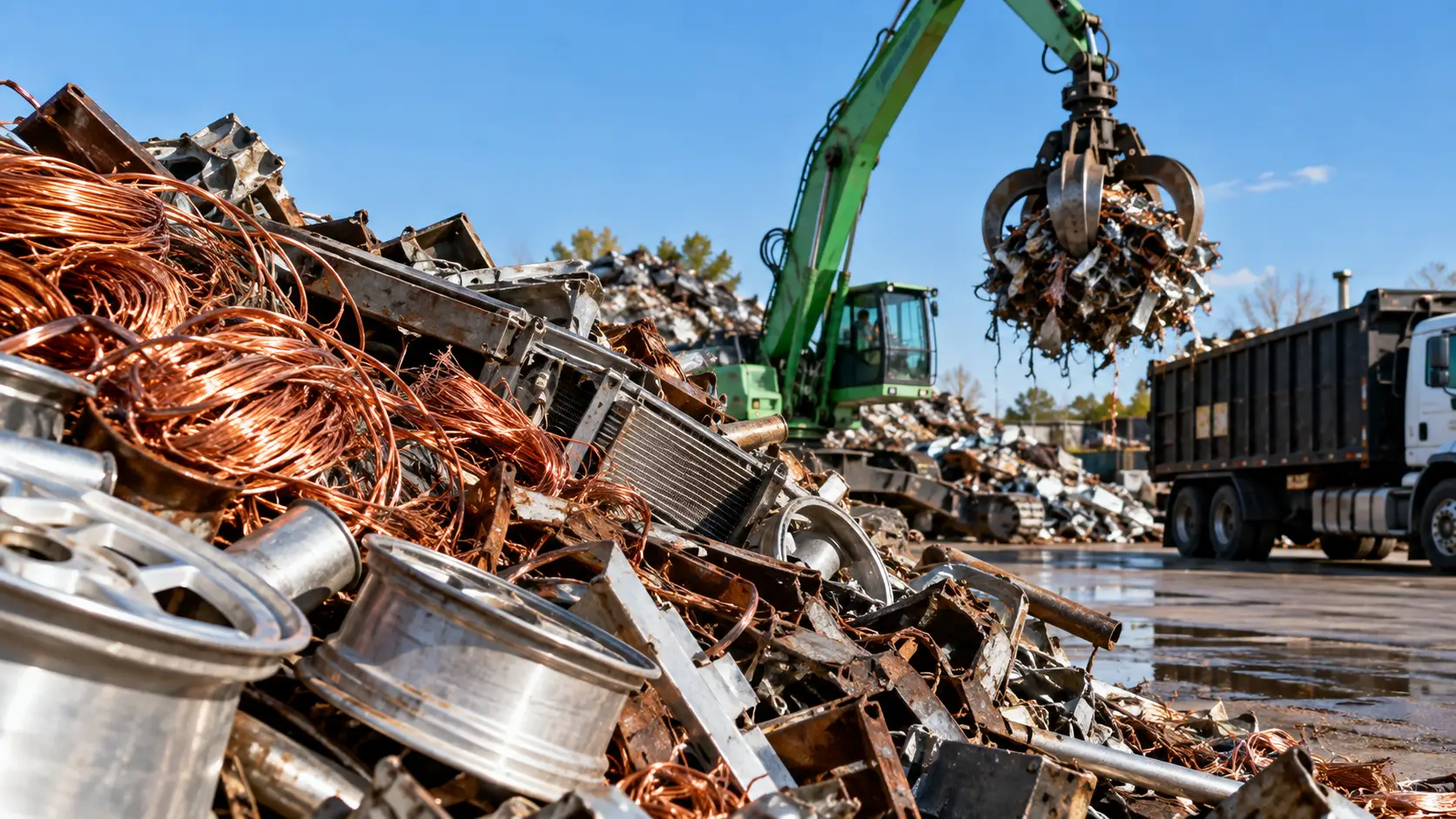
Scrap metal prices in Barrie are not fixed. The amount you can receive depends on the type and grade of metal, its condition, how cleanly it is separated, the quantity you bring in, and current market conditions. Because metal markets change, a price you saw online several weeks ago may not reflect what a local scrap yard is paying today.
That makes identifying and preparing your material almost as important as checking the current price.
This guide explains what affects scrap metal prices in Barrie, which types of metal generally have higher recycling value, and what you can do before visiting a scrap yard to better understand the value of your load.
How Are Scrap Metal Prices in Barrie Determined?
Scrap yards typically classify material according to its metal type and grade before determining its value. Two loads that weigh the same can therefore be worth very different amounts.
Several factors influence the final price.
Type of Metal
The first distinction is between ferrous and non-ferrous metals.
Ferrous metals contain iron and include many types of steel and cast iron. They are common in vehicles, construction materials, machinery, appliances, and industrial equipment.
Non-ferrous metals include materials such as:
Copper
Aluminum
Brass
Stainless steel
Lead
Zinc
Non-ferrous metals often have a higher value per pound than common ferrous scrap, although the actual rate depends on the specific grade and current market.
Metal Grade and Purity
Knowing that something is copper or aluminum is only the beginning. Scrap yards divide metals into more specific grades.
Copper is a good example. Clean, uncoated copper and insulated copper wire are not necessarily valued the same way because insulated wire contains material that is not copper.
The same principle applies to aluminum, stainless steel, brass and other metals.
In general, the more accurately a material can be identified and the less unwanted material attached to it, the easier it is to classify for recycling.
Clean vs. Mixed Scrap
A piece of metal may contain screws, plastic, rubber, insulation, steel attachments or other materials.
This matters because a mixed item may require additional processing before its recyclable metal can be recovered.
For example, a clean aluminum component and an aluminum component with steel or other materials attached should not automatically be expected to receive the same classification.
Weight and Quantity
Scrap is commonly weighed as part of the purchasing process. Your total return therefore depends on both the applicable rate for the material and the amount of qualifying material you have.
For businesses, contractors, auto shops and other organizations generating scrap regularly, volume and material consistency can also affect how efficiently scrap is collected, sorted and processed.
Current Metal Markets
Scrap values move with broader metal markets.
Commodity demand, manufacturing activity, supply conditions and other market factors can influence what recyclable metals are worth. Local rates can therefore change even when the material in your garage, shop or job site has not.
That is why online price lists should be treated as reference information unless the scrap yard confirms that the rate is current.
What Scrap Metals Are Typically Worth More?
There is no permanent ranking because markets change, but different metals clearly fall into different value categories.
Current Barrie market listings illustrate how large the difference between grades can be. For example, recent local market data lists separate rates for multiple copper grades, aluminum extrusion, aluminum wheels, brass grades, stainless steel grades and ferrous materials rather than assigning one universal “scrap metal price.”
Understanding what you actually have is therefore more useful than simply asking, “What is the price of scrap metal?”
Copper
Copper is one of the metals many scrap sellers pay close attention to because certain grades can have comparatively strong recycling value.
Common sources include:
Electrical wiring
Copper tubing
Plumbing materials
Electrical components
Motors and equipment
Renovation and construction scrap
However, bare copper, copper tubing and insulated copper wire can fall into different classifications. Do not assume every item containing copper will receive the same rate.
Brass
Brass is commonly found in plumbing fixtures, valves, fittings, hardware and some mechanical components.
Its colour can sometimes help distinguish it from copper, but attachments and contamination can affect classification. Different brass grades may also receive different rates.
Aluminum
Aluminum is lightweight but extremely common, so larger quantities can still represent worthwhile recyclable material.
Common sources include:
Vehicle wheels
Siding
Extrusions
Automotive components
Frames
Construction materials
Sheet aluminum
Again, “aluminum” is not one pricing category. Cast aluminum, clean wheels, extrusion and mixed aluminum can be classified differently.
Stainless Steel
Stainless steel can be found in equipment, appliances, automotive components, commercial kitchens and industrial applications.
Different stainless alloys contain different combinations of metals, which is one reason grades such as 304 and 316 may not receive identical pricing.
Steel and Cast Iron
Steel and iron are extremely common recyclable materials. Individual per-pound values may be lower than many non-ferrous metals, but substantial weight can make ferrous scrap important for contractors, automotive businesses, manufacturers and other commercial generators.
Ferrous vs. Non-Ferrous Scrap: A Quick Way to Start Sorting
One simple first step when sorting scrap is a magnet test.
If a magnet strongly sticks to the material, it is often a sign that you are dealing with a ferrous metal such as many types of steel or iron.
If it does not stick, the material could be a non-ferrous metal such as aluminum, copper or brass—but a magnet alone cannot tell you exactly which metal or grade you have.
Think of the magnet as a sorting tool, not a pricing tool.
Final classification should be based on the actual material.
Why Online Scrap Metal Price Lists Can Be Misleading
Searching for scrap metal prices Barrie produces plenty of numbers, but those numbers need context.
One Barrie price database, for example, states that its listed prices are averages collected from scrap yards and updated periodically. Another local price resource explicitly warns that prices can change daily and recommends verifying current rates.
There are several reasons not to assume an online number is the exact amount you will receive:
The data may be old. A page can remain indexed in Google long after its quoted rate was updated.
The currency may differ. Some Barrie-oriented databases display values in USD rather than Canadian dollars.
The grade may differ. A general “copper price” tells you very little if your material is insulated wire rather than a cleaner copper grade.
The quoted number may be an average. Market averages are not necessarily the rate offered by a particular yard.
For these reasons, use online pricing to understand the market—not as a guaranteed quote.
How to Estimate What Your Scrap Is Worth
You can make a better estimate before heading to a scrap yard by following a simple process.
1. Identify the Metal
Start by determining whether the material is likely ferrous or non-ferrous.
Then identify the specific material as closely as you reasonably can: copper, aluminum, brass, stainless steel, steel, cast iron or another metal.
2. Separate Different Materials
Avoid combining everything into one pile when the materials can be separated easily and safely.
Keep copper separate from aluminum, brass separate from steel, and clean material separate from heavily mixed items.
Better organization makes the material easier to identify and classify.
3. Look for Attachments and Contamination
Check whether the material contains:
Plastic
Rubber
Insulation
Wood
Steel attachments
Other metals
Non-metallic components
Do not dismantle anything in a way that creates a safety risk simply to increase scrap value.
4. Estimate the Weight
Once you have separated the material into categories, estimate how much of each material you have.
A simplified estimate is:
Estimated scrap value = material weight × current applicable rate
For example, if you have 50 pounds of a particular grade, its value depends on the rate being paid for that specific grade, not a generic rate you found for the broader metal category.
5. Confirm the Current Rate
Because rates change, contact the scrap yard before making decisions based on an online price.
Describe the material as accurately as possible and ask about the current applicable rate or bring the material in for proper identification and weighing.
How to Get Better Value From Your Scrap Metal
Getting more from scrap does not necessarily mean waiting for a perfect day in the commodity market.
Often, the most practical improvements happen before the material reaches the scale.
Sort Metals Before You Arrive
If easily separable materials are mixed together, sorting them beforehand can make classification more straightforward.
Instead of arriving with one pile containing copper, aluminum, brass and steel, organize the materials into separate groups where practical.
Know What You Have
Learn the basic differences between common metals and grades.
For regular scrap sellers—particularly contractors, mechanics and businesses—the ability to distinguish common material categories can make the recycling process much more efficient.
Keep Higher-Value Material Separate
Avoid mixing non-ferrous material with large quantities of ordinary ferrous scrap when it can safely and reasonably be separated.
Avoid Unnecessary Contamination
Paint, insulation, plastic, fasteners and attached components may affect how some scrap is classified.
This does not mean every item needs to be stripped completely. The amount of preparation that makes economic sense depends on the material, quantity and processing required.
Ask for Current Pricing
The simplest way to avoid relying on outdated information is to verify the current rate.
Scrap markets move. A current quote is more useful than an old online table.
Scrap Metal Recycling in Barrie
For Barrie and Simcoe County residents and businesses, recycling scrap metal provides a way to recover useful material instead of treating it simply as waste.
Ontario's broader resource-recovery framework is designed around principles including reuse, recycling and recovering resources from materials.
Barrie Auto Wreckers has been operating in Barrie since 1993 and handles unwanted vehicles and different types of scrap metal. According to the company's website, collected metals are broken down, sorted and processed before being directed to appropriate metal recycling facilities.
The yard is located at 456 Tiffin Street in Barrie, with access from Highway 400.
Selling Scrap Metal in Barrie: What to Do Next
If you have scrap metal to sell, start by identifying and separating your material as much as reasonably possible.
For a small household load, that might mean separating copper wire, aluminum and steel before heading to the yard. For a contractor, dealership or business generating material regularly, a more organized collection system may make sense.
Most importantly, check current pricing before relying on an online estimate.
Barrie Auto Wreckers purchases scrap metal at its Barrie yard and can help determine what material you have and how it should be classified.
Because scrap metal prices change with material grade and market conditions, contact the yard for current pricing before you visit.
Frequently Asked Questions
What are scrap metal prices in Barrie today?
Scrap metal prices in Barrie vary by metal, grade, condition and current market conditions. Because rates can change, contact a local scrap yard for current pricing rather than relying exclusively on an older online price list.
What is the most valuable scrap metal?
Certain non-ferrous metals, particularly some grades of copper, can command considerably higher per-pound prices than common steel or iron. However, the actual value depends on the specific metal and grade as well as current market conditions.
Is copper worth more than aluminum scrap?
Certain copper grades generally trade at higher per-pound values than common aluminum grades. Current Barrie market listings demonstrate substantial differences between copper and aluminum categories, although actual rates vary.
Should I separate scrap metal before taking it to the yard?
Separating clearly different metals can make identification and classification easier. Keep materials such as copper, brass, aluminum and steel separate where practical and safe.
Does clean scrap metal pay more?
Cleanliness and material composition can affect classification. Material containing other metals or non-metal attachments may be classified differently from cleaner material of the same basic metal type.
How is scrap metal weighed?
Scrap yards generally determine the weight of qualifying material during the purchasing process. The applicable rate depends on the material and grade, so two loads of equal weight may have very different values.
Where can I sell scrap metal in Barrie?
Barrie Auto Wreckers purchases scrap metal at its yard at 456 Tiffin Street, Barrie, Ontario. Contact the yard before visiting if you want to confirm current pricing or discuss your material.
A&A Metals Team
The yard, scale and dispatch crew at A&A Autowreckers & Metals, recycling scrap metal and vehicles in Barrie since 1993.
Related Articles
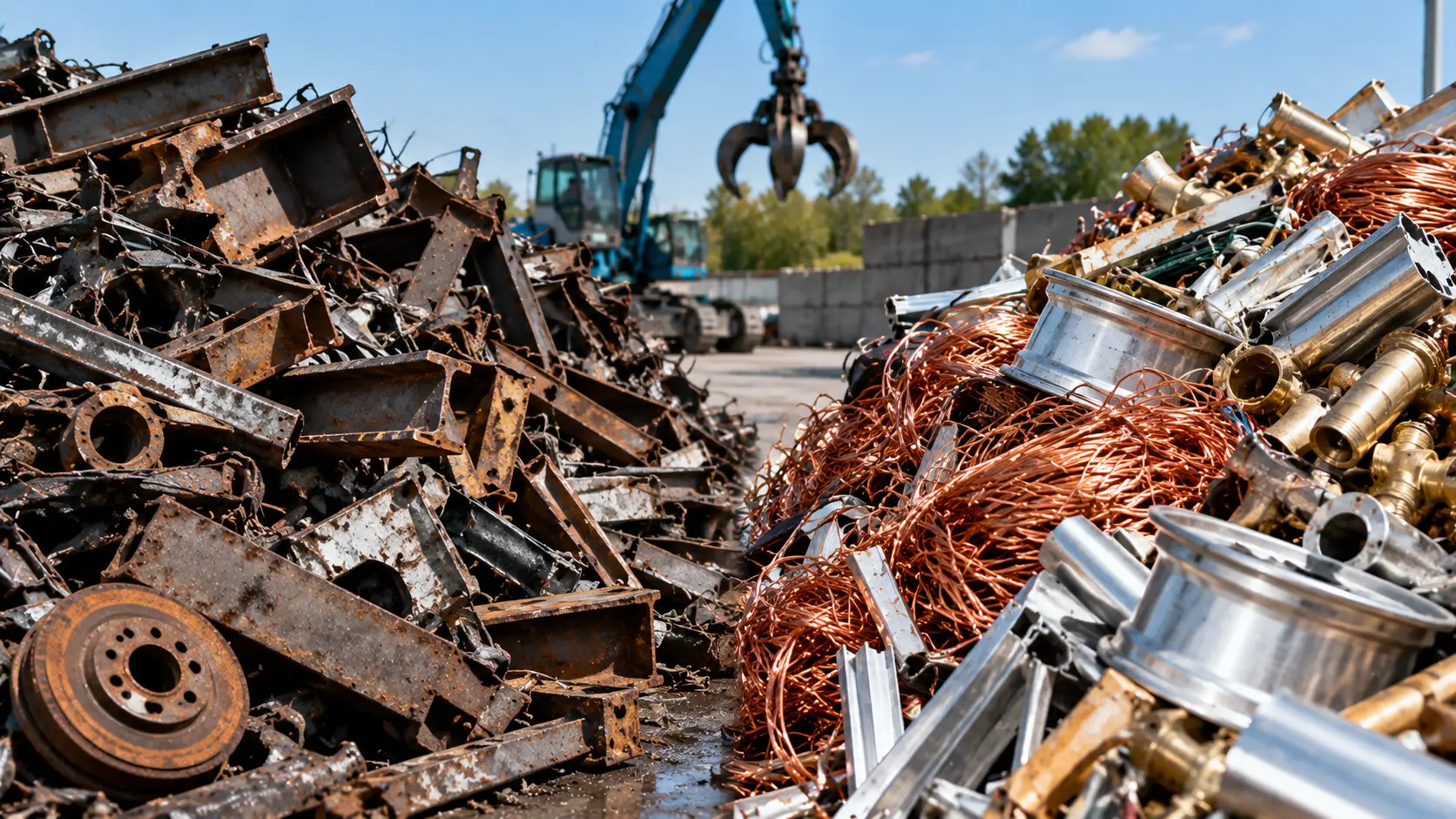
Ferrous vs. Non-Ferrous Metals: What’s the Difference?
The main difference between ferrous and non-ferrous metals is their iron content. Ferrous metals contain iron as a major component, while non-ferrous metals generally do not.
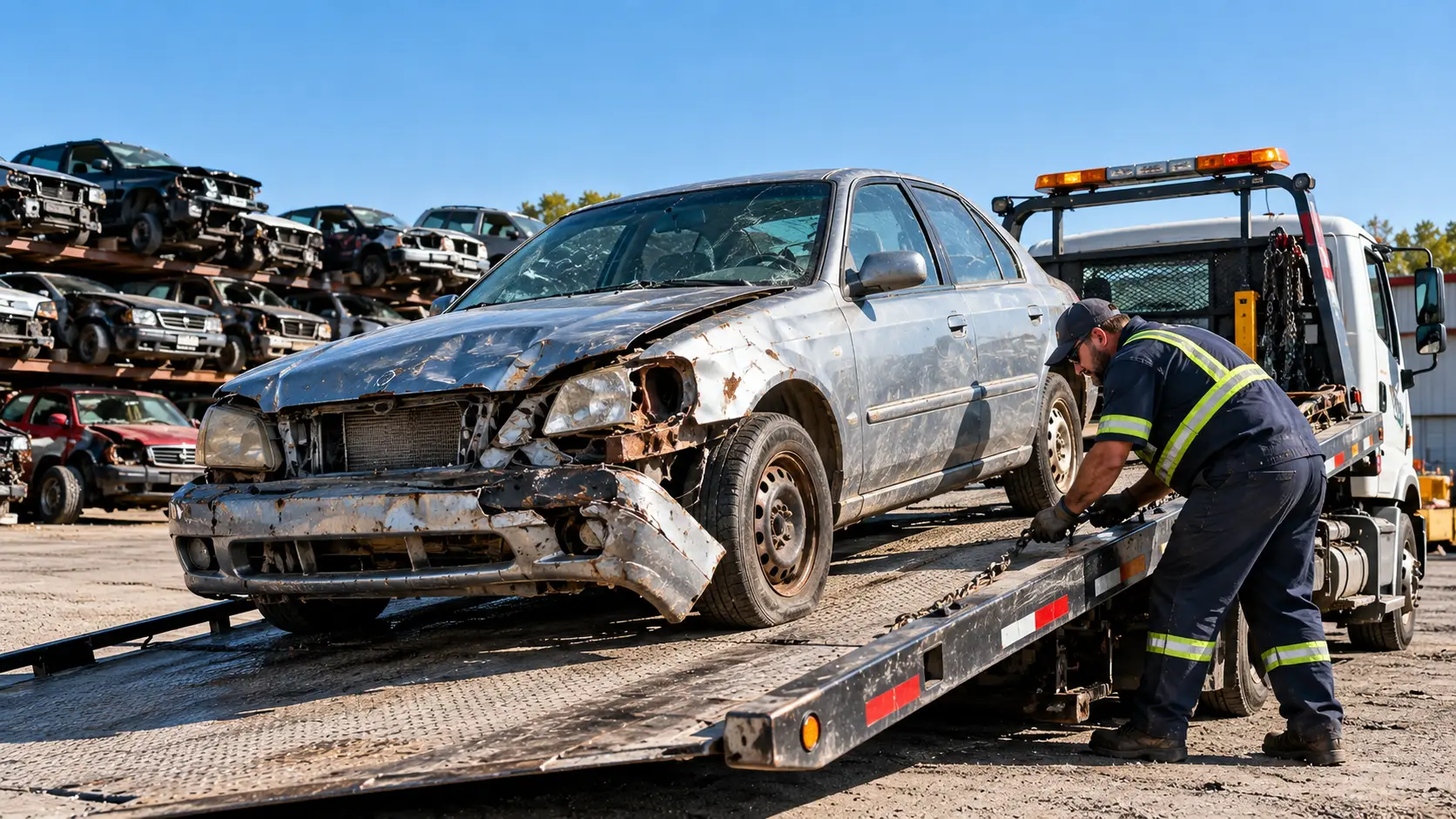
How Much Is a Scrap Car Worth in Ontario?
If you have an old, damaged or non-running vehicle, you may be wondering: how much is a scrap car worth in Ontario?
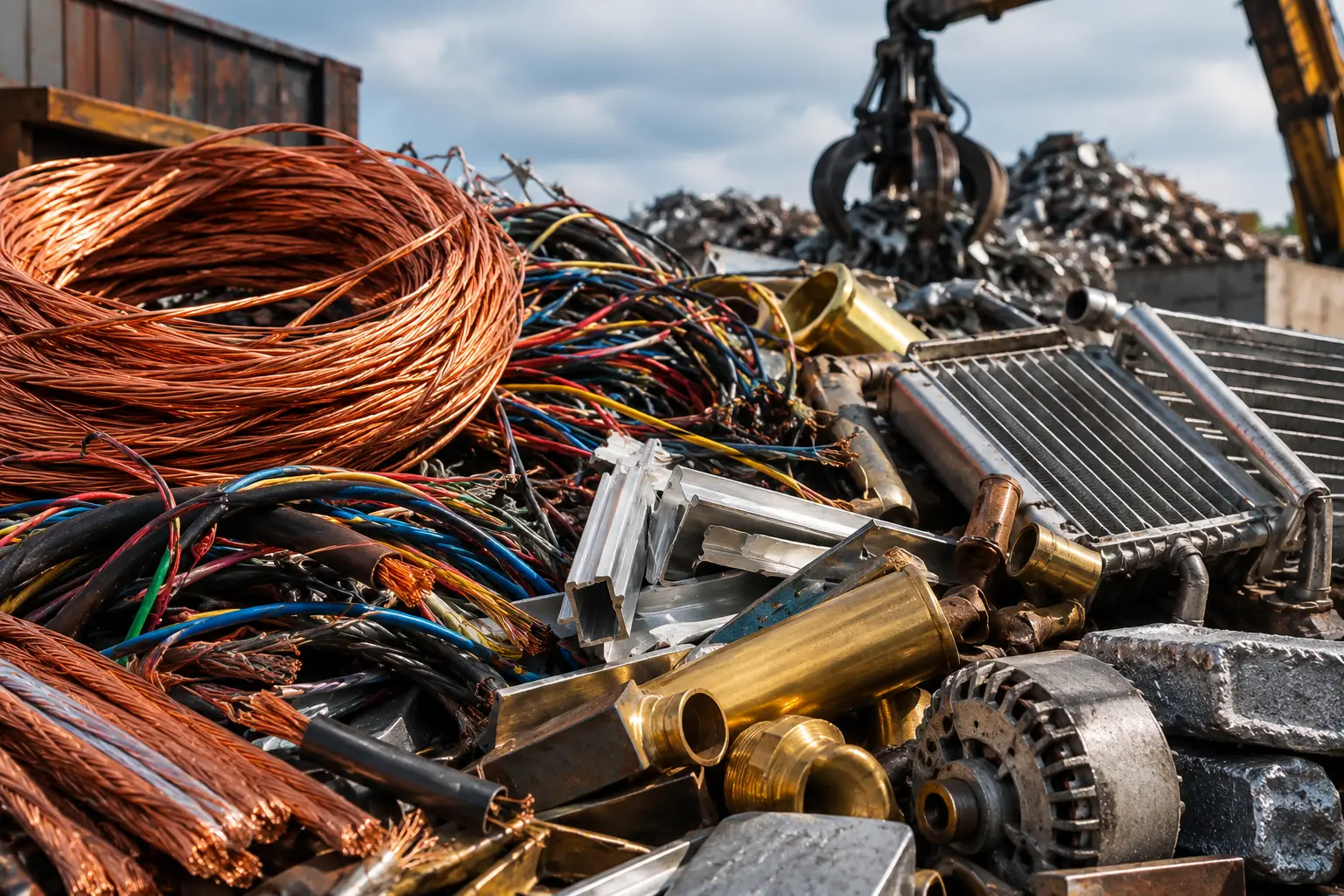
How to Sort Scrap Metal Before You Drop It Off
A practical guide to separating common metals, preparing a safer load, and knowing when to leave dismantling to the recycling yard.