How Much Is a Scrap Car Worth in Ontario?
If you have an old, damaged or non-running vehicle, you may be wondering: how much is a scrap car worth in Ontario?
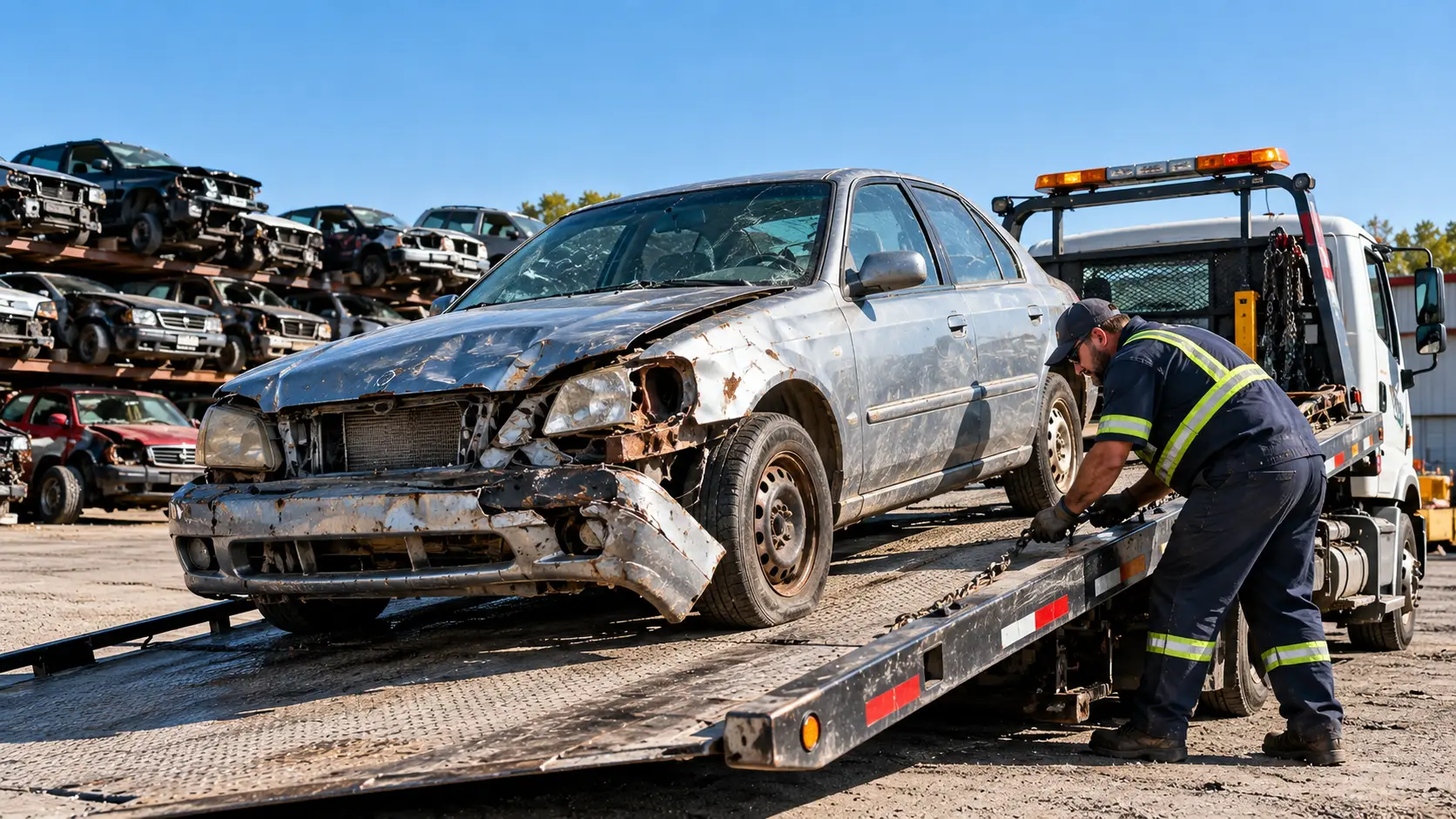
There is no single price that applies to every vehicle. Scrap car value in Ontario depends on the vehicle’s weight, condition, completeness, make and model, recoverable parts, current metal prices and, in some cases, the cost or complexity of removing the vehicle.
A complete SUV, pickup truck or van, for example, may have more recyclable material than a small compact car. Meanwhile, two identical vehicles can receive different offers if one is complete and the other is missing valuable components.
That is why the most reliable way to determine your car’s value is to have the actual vehicle assessed using current market conditions.
What Determines Scrap Car Value in Ontario?
A scrap or end-of-life vehicle has value for more than one reason. It contains recyclable metals, but it may also contain components that can be recovered or recycled separately.
These are some of the main factors used when evaluating a vehicle.
1. Vehicle Weight
Weight provides an important starting point for scrap value because vehicles contain significant quantities of steel and other recyclable metals.
Generally, larger vehicles such as:
Pickup trucks
SUVs
Vans
Large sedans
contain more material than small compact vehicles.
That does not automatically mean the heaviest vehicle will receive the highest offer. Weight is only one part of the calculation.
A complete smaller vehicle with valuable recoverable components can potentially be more attractive than a larger vehicle that has already been heavily stripped.
2. Current Scrap Metal Prices
Scrap metal markets change over time, which means the underlying recycling value of a vehicle can also change.
Steel represents a significant portion of many vehicles, while aluminum, copper and other metals may be present in various components.
Local scrap pricing illustrates why timing matters. Barrie Auto Wreckers publishes ferrous pricing and, as of its August 14, 2026 update, lists complete cars at $250 per ton (2,000 lb) and incomplete cars at $210 per ton. Those figures are market-dependent and should not be interpreted as a guaranteed vehicle offer.
The difference between complete and incomplete vehicle pricing also demonstrates an important point: what remains on the vehicle matters.
3. Whether the Vehicle Is Complete
Completeness can significantly affect a scrap car’s value.
A vehicle may contain an:
Engine
Transmission
Catalytic converter
Battery
Wheels
Radiator
Wiring
Electronic components
Body panels
Other mechanical components
If major components have already been removed, the vehicle may contain less recoverable material and fewer potentially useful parts.
Barrie Auto Wreckers explicitly notes that its vehicle pricing varies with condition and takes missing parts and hardware into consideration.
If you are requesting a quote, tell the recycler about missing components upfront. Accurate information makes it easier to receive an offer based on the vehicle’s actual condition.
4. Make, Model and Year
Your vehicle is not valued only as a block of steel.
The year, make and model help a recycler understand:
Approximate vehicle weight
Material composition
Types of components present
Potential demand for recoverable parts
Vehicle configuration
A relatively recent vehicle that has been written off after a collision, for example, is a different proposition from an older vehicle that has been sitting outdoors for years and has already had several major components removed.
This is why you will usually be asked for the year, make and model when requesting an offer.
5. Overall Condition
A scrap vehicle does not necessarily need to run to have value.
Barrie Auto Wreckers states that it buys vehicles in any condition, including totalled vehicles and vehicles with missing parts.
However, condition can still affect the final valuation.
Useful information to provide includes whether the vehicle:
Starts
Runs
Rolls
Steers
Has keys
Has significant collision damage
Has missing wheels
Has major components removed
Is accessible to a tow truck
Being specific about the condition can help avoid a quote changing when the vehicle is inspected.
6. Catalytic Converter and Other Components
The catalytic converter is one component that can influence vehicle value because it contains recoverable metals.
However, it should not be treated as a universal dollar amount. Catalytic converters vary substantially by vehicle, design and material composition.
Other components may also contribute to the overall recovery value of a vehicle.
For this reason, a complete vehicle can be worth more than the raw steel calculation alone would suggest.
7. Vehicle Location and Towing
If a car no longer runs, transporting it becomes part of the transaction.
Before accepting an offer, determine whether towing is:
Included in the quoted price
Charged separately
Available in your location
Conditional on the vehicle being complete
This is important when comparing offers. A higher headline offer may not necessarily result in a higher final payout if additional transportation fees are deducted later.
For vehicles within Barrie, Barrie Auto Wreckers states that it provides free towing for complete vehicles.
Complete vs. Incomplete Scrap Cars
One of the easiest ways to understand scrap car pricing is to compare a complete vehicle with a stripped one.
Complete VehicleIncomplete VehicleEngine presentEngine may be missingTransmission presentTransmission may be removedCatalytic converter may be presentConverter may be missingWheels/components intactParts may have been strippedMore recoverable materialLess recoverable materialGenerally easier to assess as a whole vehicleValue depends heavily on what remains
Barrie Auto Wreckers’ published ferrous rates currently distinguish between complete and incomplete cars, reinforcing that completeness is a real pricing factor.
Does a Car Have to Run to Have Scrap Value?
No. A car does not have to run to have scrap value.
A vehicle that will not start can still contain recyclable steel, aluminum, copper and other materials, along with recoverable components.
Similarly, accident damage does not automatically make a vehicle worthless.
A non-running car may still have an:
Intact engine
Transmission
Catalytic converter
Battery
Wheels
Body components
Electrical components
The relevant question is not simply whether the vehicle runs, but what material and components remain recoverable from it.
Is It Better to Scrap or Sell Your Car?
Before scrapping a vehicle, consider whether it still has meaningful value as a used vehicle.
Selling may make more sense if the car:
Runs reliably
Can reasonably be repaired
Has significant resale value
Is a desirable make/model
Can be economically returned to roadworthy condition
Scrapping or recycling may become more practical when the vehicle:
Is severely damaged
No longer runs
Requires repairs that are difficult to justify economically
Has reached the end of its useful life
Has little realistic resale demand
Has been sitting unused for an extended period
Do not base this decision on the scrap quote alone. Compare the likely resale value with repair, transportation and selling costs.
How Can You Get an Accurate Scrap Car Quote?
Getting a more accurate quote starts with providing accurate information.
Before contacting an auto recycler, gather the following:
Year, make and model: These identify the vehicle and help estimate its configuration and material content.
Condition: Explain whether it runs and describe significant mechanical or collision damage.
Missing parts: Mention whether the engine, transmission, catalytic converter, wheels, battery or other major components have been removed.
Location: Provide the vehicle location so pickup requirements can be determined.
Access: Mention anything that could make towing difficult—for example, if the vehicle is in an underground garage, behind another vehicle or unable to roll.
Ownership information: Have your vehicle documentation available and confirm the required transfer process with the buyer.
Photos can also make it easier for a recycler to understand the vehicle’s condition before arranging pickup.
What Documents Are Needed When Selling a Vehicle in Ontario?
Vehicle ownership and transfer requirements should be handled carefully.
Ontario's official guidance for selling a used vehicle states that sellers should ensure the VIN matches the permit and outlines required transfer documentation, including the vehicle portion of the ownership permit and a signed Application for Transfer. It also instructs sellers to keep their licence plates and the plate portion of the permit.
Requirements can depend on the transaction, so use current ServiceOntario guidance rather than relying solely on an old blog post.
Barrie Auto Wreckers states that it handles the vehicle transfer with the Ministry of Transportation as part of its vehicle-purchase process.
How to Get Better Value for a Scrap Car
There is no trick that suddenly makes an end-of-life vehicle worth thousands more, but there are sensible ways to protect its value.
Be Accurate About the Vehicle
Provide the correct year, make, model and condition.
If major components are missing, disclose them before accepting an offer.
Avoid Stripping Parts Without Understanding the Trade-Off
Removing components to sell separately may reduce the amount offered for the remaining vehicle.
A part may have value on its own, but removing it can change the vehicle from a complete to an incomplete unit.
Compare the potential benefit before dismantling anything.
Compare Like-for-Like Offers
If you request multiple quotes, determine what each includes.
Ask:
Is towing included?
Is the quote based on the vehicle being complete?
Can the offer change after inspection?
What paperwork is required?
How will payment be made?
A transparent offer is more useful than a large headline number with unclear conditions.
Do Not Wait for an Online “Perfect Price”
Metal markets fluctuate.
If the vehicle is taking up space, deteriorating or creating ongoing costs, waiting for a small market movement may not necessarily improve your overall outcome.
Consider the total situation rather than only the scrap-metal rate.
Scrap Car Value in Barrie, Ontario
For vehicle owners in Barrie, the same valuation principles apply: weight, condition, completeness, recoverable material and current markets all matter.
Barrie Auto Wreckers purchases cars in a range of conditions, including totalled vehicles and vehicles missing parts. The company states that pricing depends on the vehicle’s condition, missing components and current markets.
For complete vehicles within Barrie, free towing is available according to the company's current service information.
Because these factors vary from one vehicle to another, an individual quote is more meaningful than a generic Ontario-wide price range.
Frequently Asked Questions About Scrap Car Value in Ontario
How much is a scrap car worth in Ontario?
There is no universal amount. Scrap car value in Ontario depends on vehicle weight, condition, completeness, make and model, recoverable parts and current scrap-metal markets.
Are heavier cars worth more for scrap?
Vehicle weight can increase the underlying metal value because heavier vehicles generally contain more recyclable material. However, parts, condition and completeness also affect the offer.
Can I scrap a car that does not run?
Yes. A non-running vehicle can still contain recyclable metals and recoverable components. Barrie Auto Wreckers states that it purchases vehicles regardless of condition.
Is a complete scrap car worth more?
It can be. Missing engines, transmissions, catalytic converters, wheels and other components reduce the amount of recoverable material. Barrie Auto Wreckers currently publishes different ferrous rates for complete and incomplete vehicles.
Does a catalytic converter affect scrap car value?
It can. Catalytic converters contain recoverable metals, and whether the original converter remains on the vehicle can affect its overall valuation.
Does the make and model affect scrap value?
Yes, although not simply because of the badge. Make, model and year can indicate vehicle weight, construction, component types and potential parts demand.
Is towing free when scrapping a car?
That depends on the recycler and location. Barrie Auto Wreckers currently states that towing is free for complete vehicles within Barrie.
How do I find out exactly what my scrap car is worth?
Provide the recycler with the vehicle's year, make, model, location, condition and details about missing components. Because scrap markets change, an up-to-date individual quote is more reliable than a generic online estimate.
Get a Quote for Your Scrap Car in Barrie
If you have an unwanted, damaged, totalled or non-running vehicle in Barrie, its value depends on more than whether it still drives.
Vehicle weight, condition, completeness, components and current scrap markets all contribute to the final offer.
Barrie Auto Wreckers purchases vehicles in different conditions and provides free towing for complete vehicles within Barrie. To find out what your specific vehicle is worth, provide its year, make, model, condition and location and request a current quote.
Related Articles
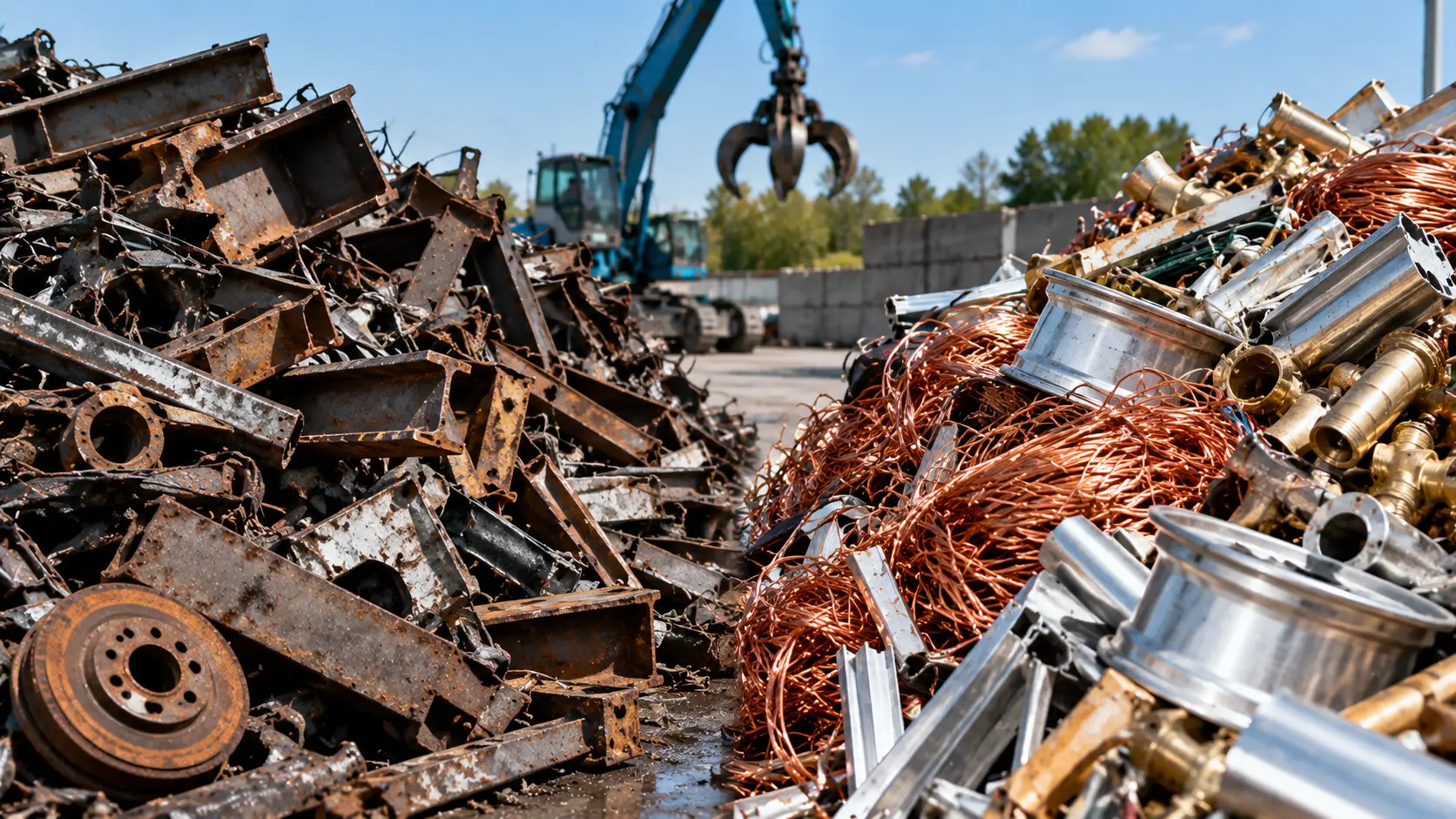
Ferrous vs. Non-Ferrous Metals: What’s the Difference?
The main difference between ferrous and non-ferrous metals is their iron content. Ferrous metals contain iron as a major component, while non-ferrous metals generally do not.
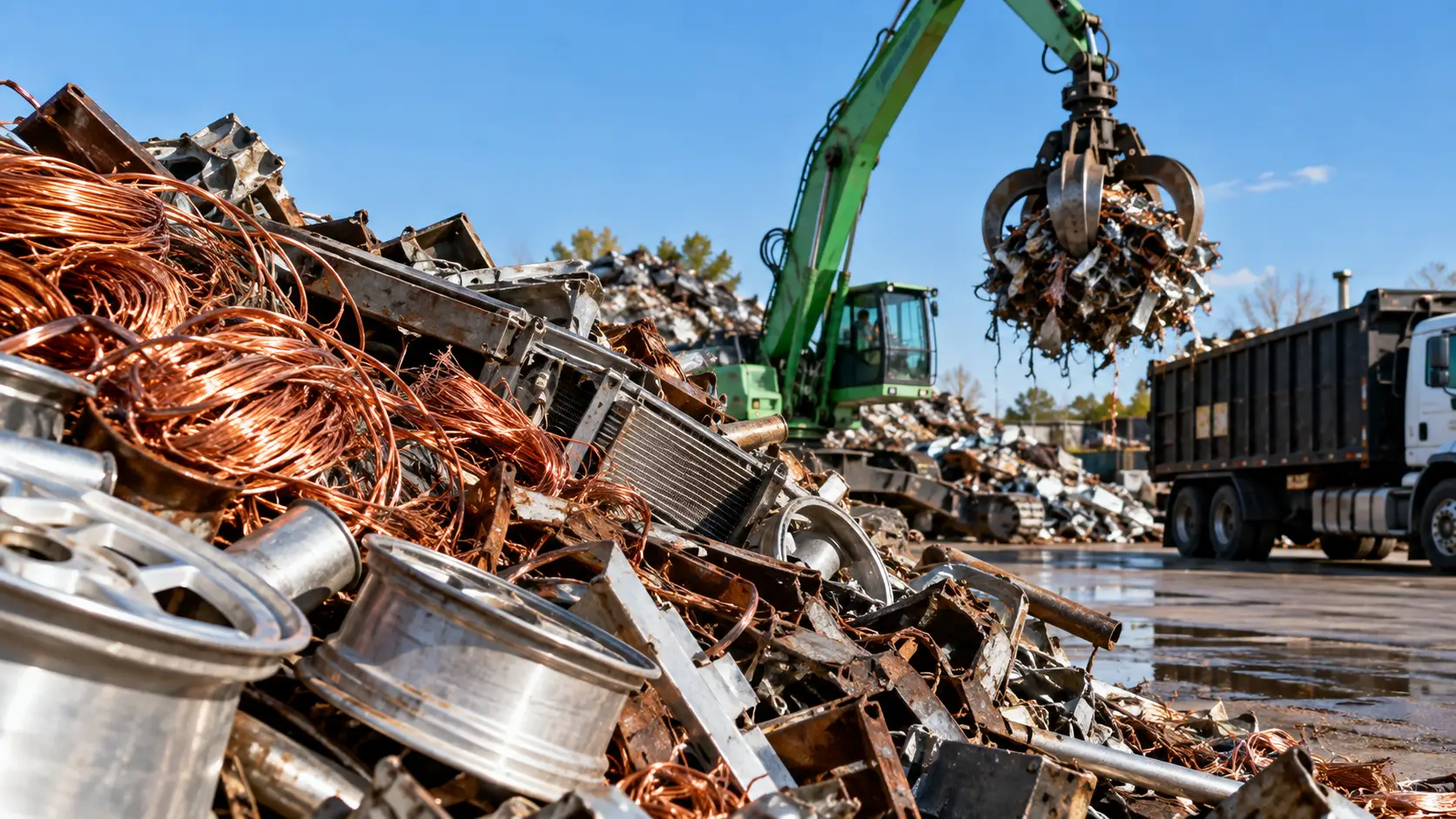
Scrap Metal Prices in Barrie: What Is Your Scrap Worth?
If you have old copper wire, aluminum, brass, steel, stainless steel, car parts, or other recyclable metal sitting around, one of the first questions is usually the same: how much is my scrap actually worth?
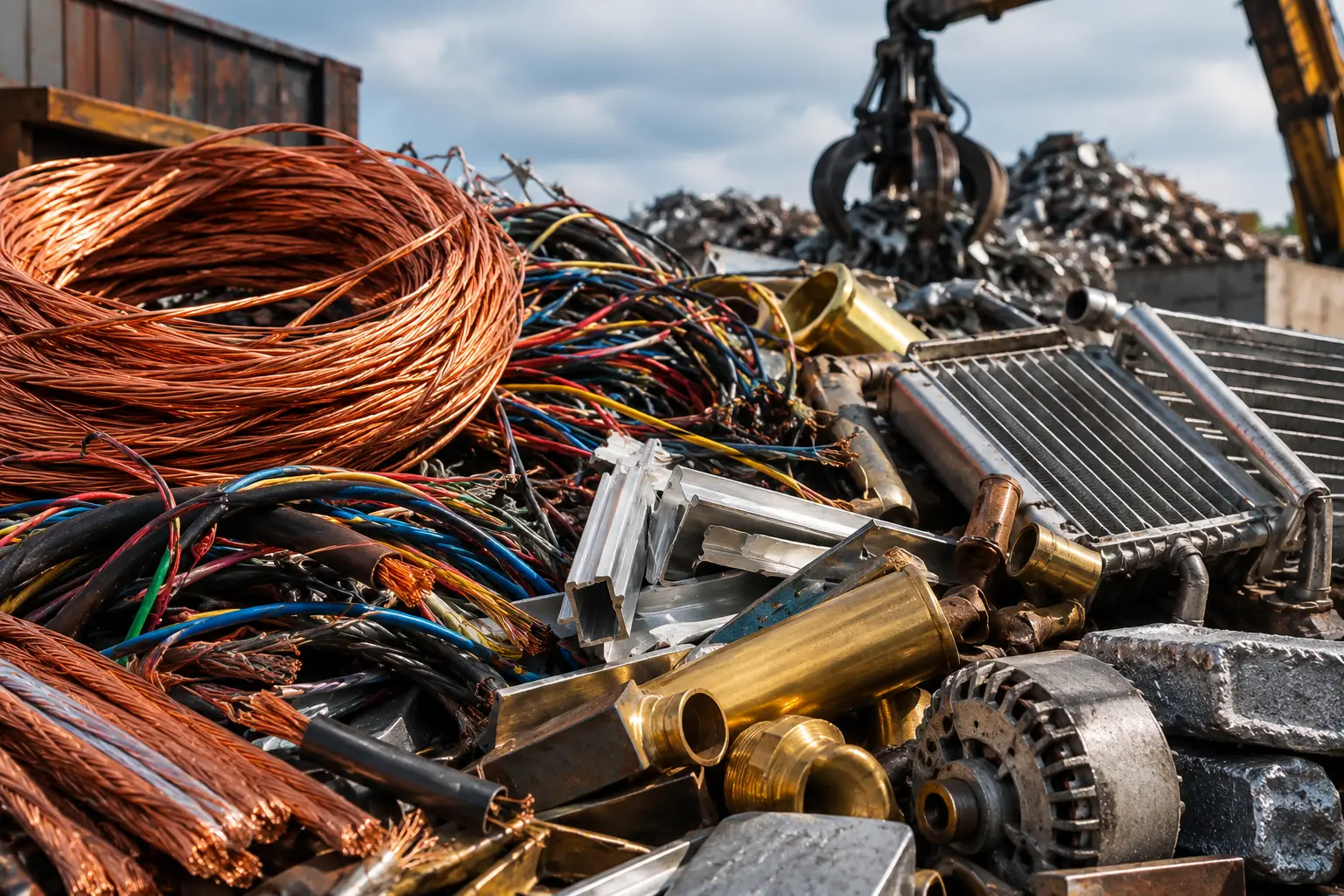
How to Sort Scrap Metal Before You Drop It Off
A practical guide to separating common metals, preparing a safer load, and knowing when to leave dismantling to the recycling yard.