How to Sort Scrap Metal Before You Drop It Off
A practical guide to separating common metals, preparing a safer load, and knowing when to leave dismantling to the recycling yard.
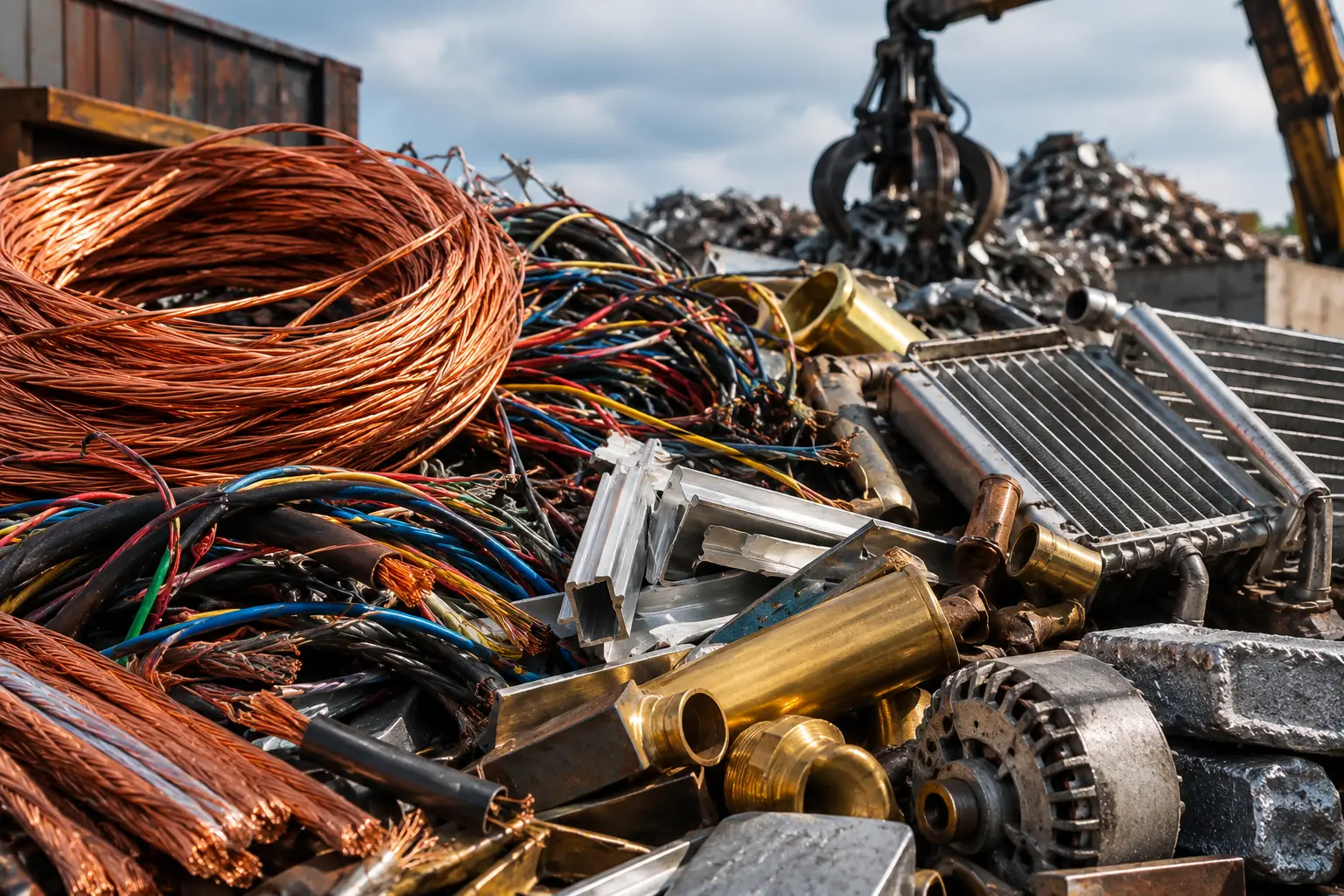
A little sorting before you leave for the yard can make a scrap load easier to unload and grade. The goal is not to dismantle every item. It is to keep clearly different materials apart, remove obvious non-metal where practical, and let the scale team inspect anything you are unsure about.
Separate ferrous and non-ferrous metals
A magnet is a useful first check. If it sticks firmly, the item is generally ferrous, such as common steel or iron. If it does not stick, it may be a non-ferrous metal such as aluminum, copper, brass, or stainless steel. This quick test is only a starting point: some stainless grades are magnetic, and an item can combine several materials.
Keep likely copper, brass, aluminum, and stainless pieces in separate containers instead of mixing them with steel. Do not worry about identifying every alloy or grade at home. Clear separation helps the yard review the load, while the final grade is confirmed at the facility.
Keep clean material apart from mixed items
When it is safe and straightforward, remove attached wood, plastic, insulation, and other non-metal material. Put clean, single-material pieces together and keep assemblies or uncertain items separate. For example, a metal object with plastic handles or a motor containing several materials should not be assumed to be the same grade as clean sheet or solid metal.
Use sturdy, clearly separated containers for small pieces.
Keep sharp edges and heavy objects secured for transport.
Do not burn wire or use chemicals to strip coatings.
Leave sealed cylinders, tanks, batteries, and items containing fluids aside and ask the yard how they should be handled.
Make drop-off safer and more efficient
Separate loose material from bulky items so it can be unloaded without digging through the whole load. Keep heavy pieces low and stable, cover loose items for transport, and avoid placing sharp scrap where it could damage tires or shift during braking. If a load includes unusually large, heavy, or potentially hazardous items, call ahead before loading them.
At the yard, follow posted traffic directions and wait for staff guidance before unloading. Tell the scale operator about mixed or unusual material rather than guessing at its grade. A quick conversation is better than sorting unsafe items in the parking area or unloading material into the wrong pile.
When in doubt, ask before dismantling
Not every item should be taken apart at home. Components can contain stored energy, sharp edges, refrigerants, oils, or other regulated materials. Do not cut, puncture, drain, or dismantle something unless you know it is safe and permitted. Contact the yard with a description or photo first; the team can explain what it accepts and whether the item needs special handling.
A simple checklist before you leave
Separate obvious steel from non-ferrous metals.
Keep copper, brass, aluminum, and stainless apart where practical.
Secure loose and sharp pieces for transport.
Set aside sealed, fluid-filled, or potentially hazardous items and ask for instructions.
Bring uncertain or mixed items to the scale team for assessment.
Good preparation is about safe handling and clear separation, not perfect grading. When you are unsure, keep the item intact and check with the yard before your trip.
Related Topics
A&A Metals Team
The yard, scale and dispatch crew at A&A Autowreckers & Metals, recycling scrap metal and vehicles in Barrie since 1993.
Related Articles
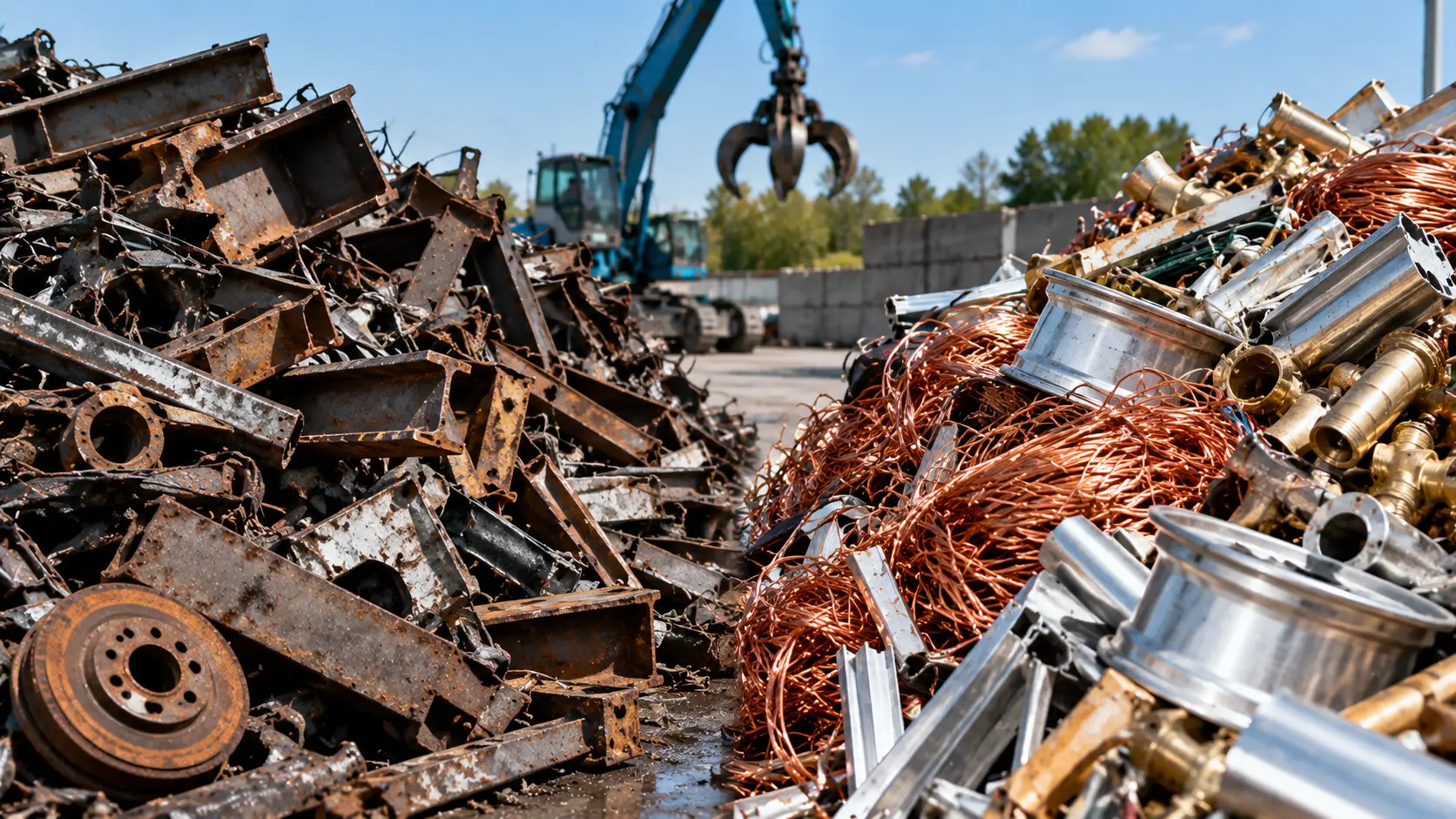
Ferrous vs. Non-Ferrous Metals: What’s the Difference?
The main difference between ferrous and non-ferrous metals is their iron content. Ferrous metals contain iron as a major component, while non-ferrous metals generally do not.
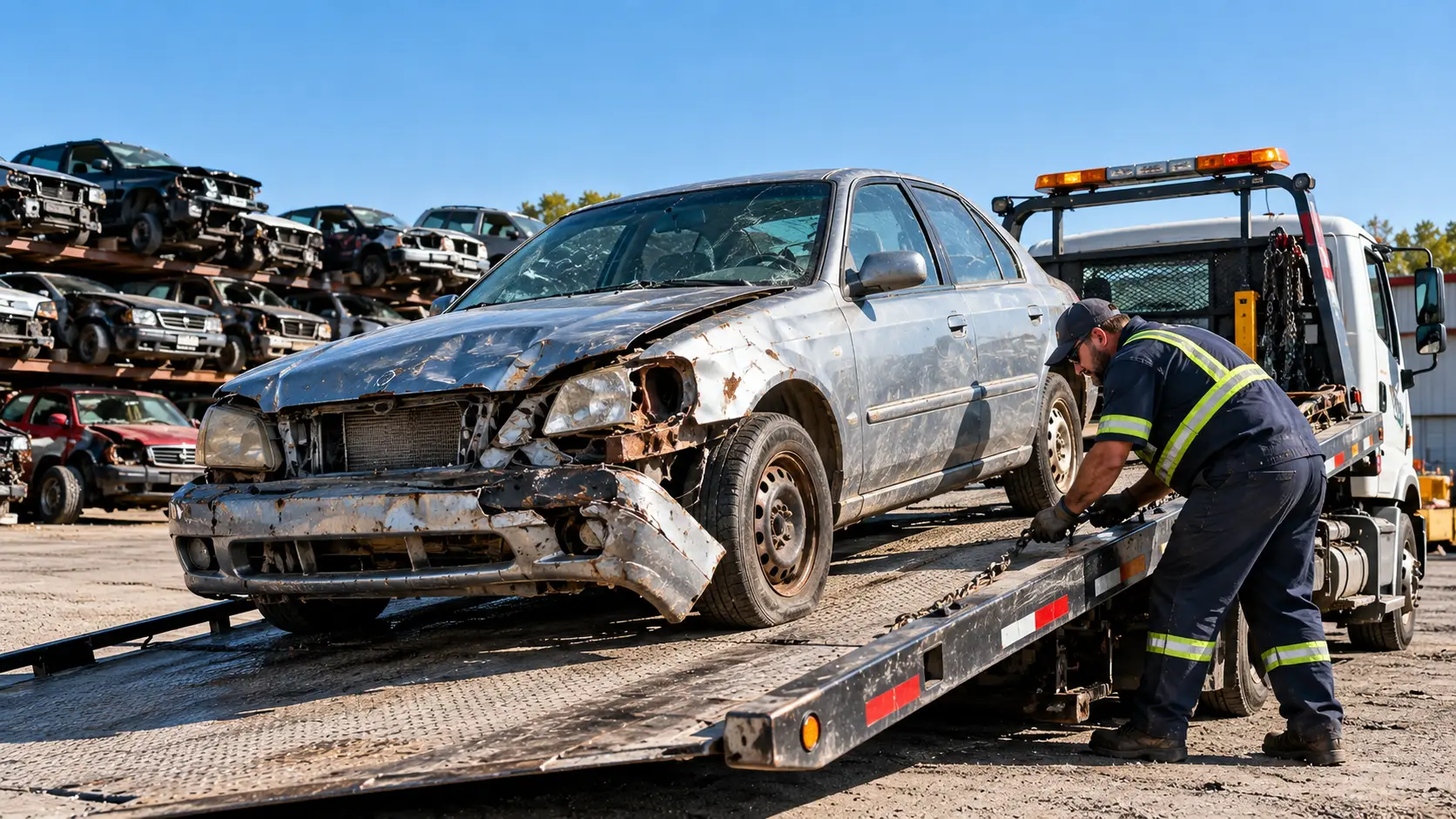
How Much Is a Scrap Car Worth in Ontario?
If you have an old, damaged or non-running vehicle, you may be wondering: how much is a scrap car worth in Ontario?
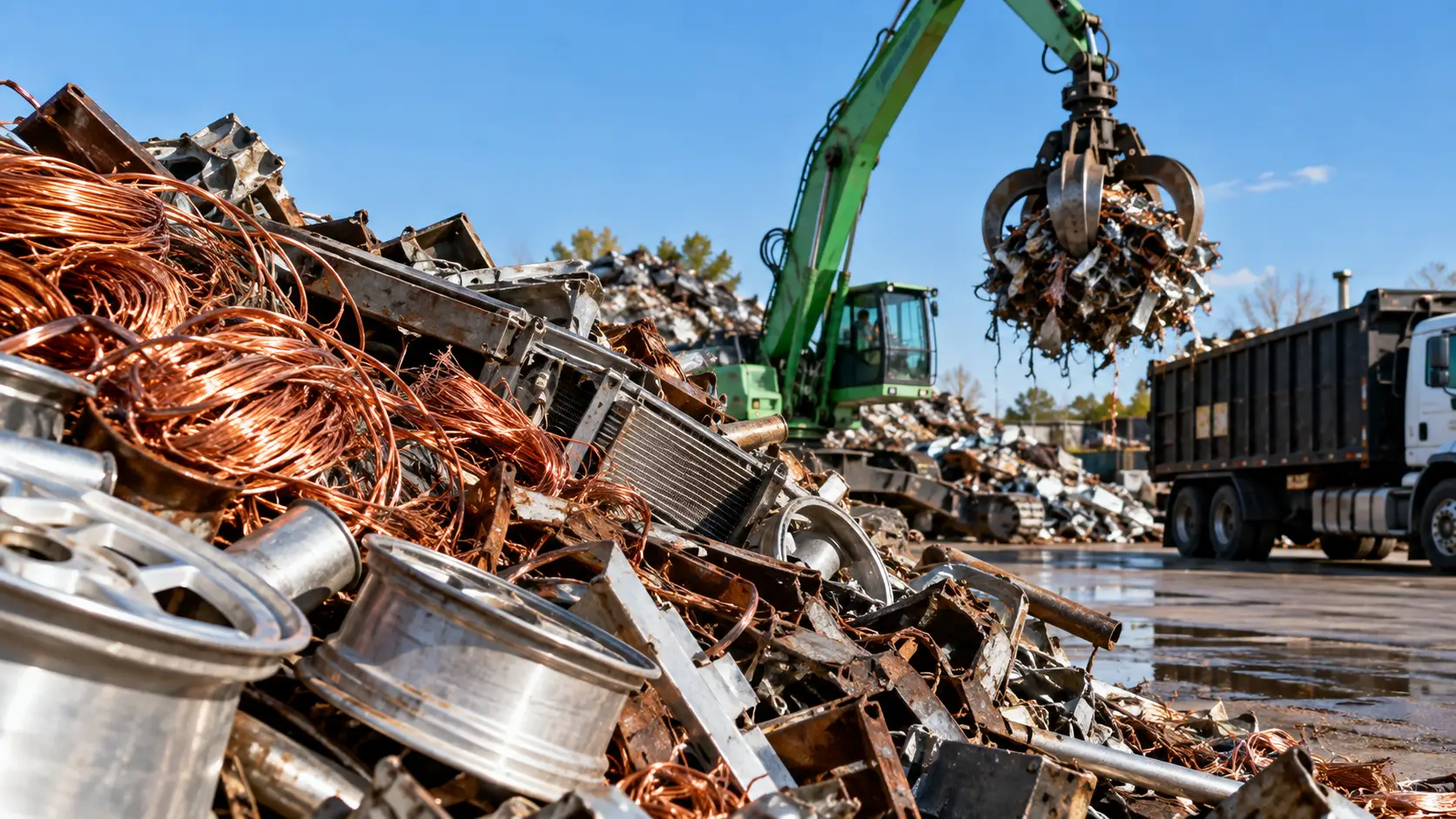
Scrap Metal Prices in Barrie: What Is Your Scrap Worth?
If you have old copper wire, aluminum, brass, steel, stainless steel, car parts, or other recyclable metal sitting around, one of the first questions is usually the same: how much is my scrap actually worth?