Ferrous vs. Non-Ferrous Metals: What’s the Difference?
The main difference between ferrous and non-ferrous metals is their iron content. Ferrous metals contain iron as a major component, while non-ferrous metals generally do not.
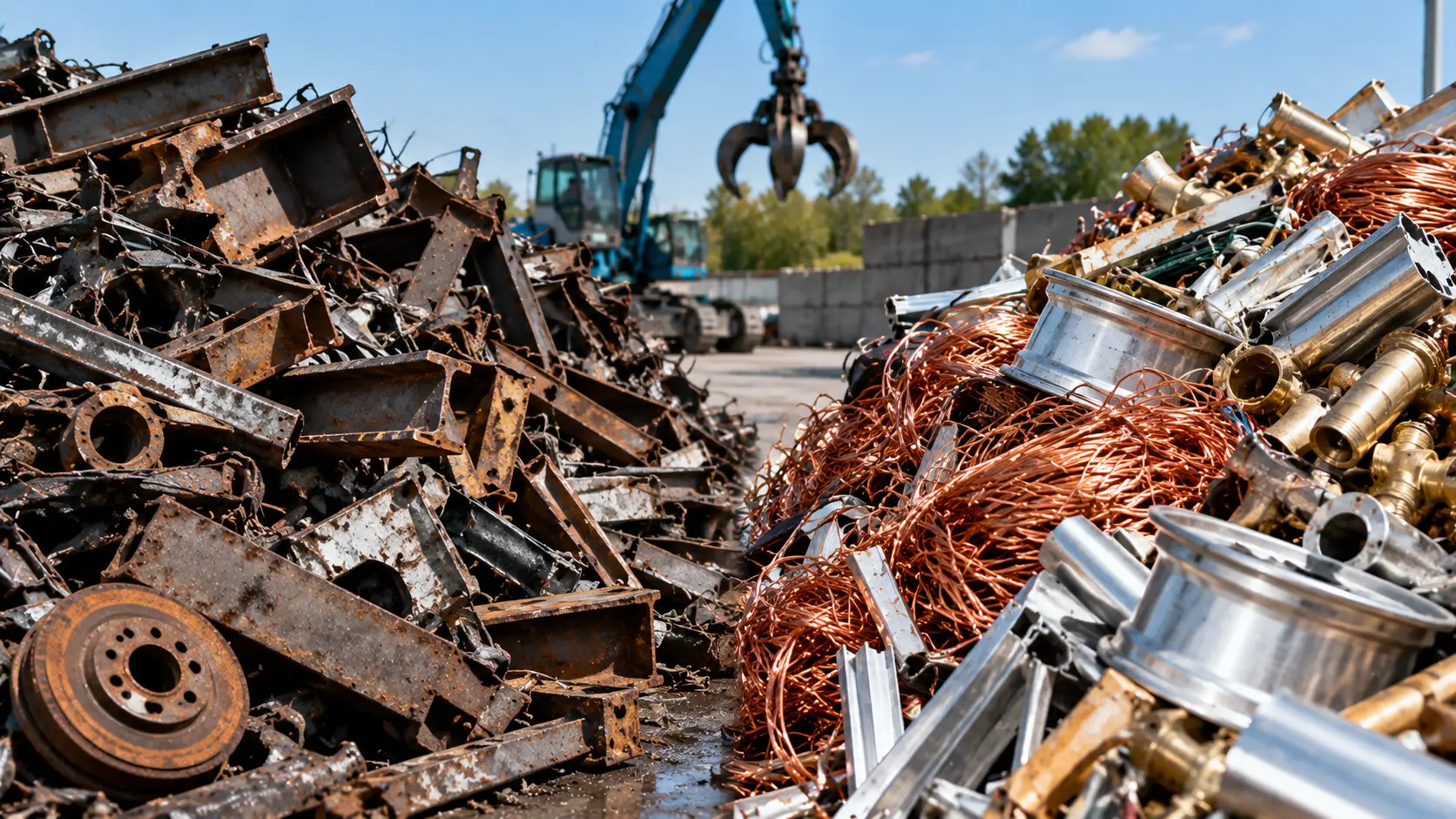
Steel and cast iron are common examples of ferrous metals. Aluminum, copper, brass, lead and zinc are common non-ferrous metals.
That distinction affects much more than their names. Iron content influences properties such as magnetism and corrosion behaviour, while the type and grade of metal also matter when scrap is sorted and valued for recycling.
If you have old appliances, construction material, automotive components, wiring, pipes or other scrap, knowing the difference can help you separate your metals before taking them to a recycling yard.
Ferrous vs. Non-Ferrous Metals at a Glance
FeatureFerrous MetalsNon-Ferrous MetalsIron contentContain ironGenerally do not contain ironCommon examplesSteel, cast ironAluminum, copper, brass, lead, zincMagnetismMany are magneticCommon types are generally non-magneticCorrosionMany can rustOften more resistant to rustTypical usesVehicles, structures, machinery, appliancesWiring, plumbing, electronics, automotive partsScrap categoryFerrous scrapNon-ferrous scrapTypical volumeOften heavier and available in larger quantitiesOften lighter or found in smaller quantitiesRecyclingWidely recyclableWidely recyclable
This table is a useful starting point, but identifying scrap correctly can require more than checking whether a magnet sticks.
What Are Ferrous Metals?
Ferrous metals are metals or alloys in which iron is a major component.
Steel is the most familiar example.
Because of their strength, durability and availability, ferrous metals are widely used in transportation, construction, industrial equipment, infrastructure and household appliances.
Common ferrous materials include:
Carbon steel
Cast iron
Wrought iron
Structural steel
Sheet steel
Heavy steel
Automotive steel
Barrie Auto Wreckers classifies materials including tin, steel, cast iron, heavy melt, auto cast, white goods, and plate and structural scrap within its ferrous category.
Where Are Ferrous Metals Commonly Found?
You encounter ferrous metals every day, even if you do not notice them.
Common sources of ferrous scrap include vehicles, structural beams, machinery, appliances, steel shelving, automotive components, construction material, tools, pipes and industrial equipment.
Their strength makes these materials especially useful where structural durability is important.
What Are Non-Ferrous Metals?
Non-ferrous metals are metals and alloys that do not contain iron as their primary constituent.
Common examples include:
Aluminum
Copper
Brass
Lead
Zinc
Nickel
Barrie Auto Wreckers accepts a range of non-ferrous materials and lists aluminum, copper, lead, nickel, zinc, brass and stainless steel within its non-ferrous recycling categories.
Non-ferrous metals have many different properties, so they should not be treated as one uniform material group.
Copper, for example, is valued for electrical conductivity. Aluminum combines relatively low weight with broad industrial usefulness. Brass is commonly found in fittings, valves and hardware.
Where Are Non-Ferrous Metals Commonly Found?
Depending on the specific metal, common sources include:
Electrical wiring
Plumbing
Aluminum wheels
Radiators
Vehicle components
Brass fittings
Electrical equipment
Construction materials
Frames and extrusions
Batteries
Industrial equipment
For someone sorting scrap, recognizing these materials can be particularly useful because different non-ferrous metals are normally separated into their own categories.
What Are the Main Differences Between Ferrous and Non-Ferrous Metals?
Iron content is the defining distinction, but it creates several practical differences.
1. Iron Content
Ferrous metals contain iron.
Non-ferrous metals generally do not.
This is the basic distinction used to divide the two categories.
However, identifying an alloy precisely can be more complicated than determining whether it belongs broadly to the ferrous or non-ferrous group.
2. Magnetism
One of the easiest ways to begin identifying unknown scrap is with a magnet.
Many common ferrous materials—particularly ordinary carbon steels and iron—are magnetic.
Common non-ferrous metals such as aluminum, copper, brass, lead and zinc generally will not be attracted to an ordinary magnet.
This makes the magnet test a useful first sorting step.
Professional metal recycling operations also use magnetic separation to recover ferrous material. Industry guidance notes that ferrous metals can be separated magnetically, while additional technologies such as eddy-current and sensor-based systems can be used to separate or identify non-ferrous materials.
However, there is an important limitation:
Magnetic does not automatically mean “all ferrous metals,” and non-magnetic does not automatically tell you which non-ferrous metal you have.
Some alloys behave differently. A magnet should therefore be considered a quick sorting tool rather than a complete metal-identification system.
3. Rust and Corrosion
Iron can react with oxygen and moisture to form iron oxides—what we commonly call rust.
That is why many unprotected ferrous materials are susceptible to rust.
Non-ferrous metals do not form iron rust because they do not contain iron in the same way, but that does not mean they cannot corrode.
Copper can develop a surface patina. Aluminum can oxidize. Other metals can undergo their own forms of corrosion.
So the more accurate distinction is:
Ferrous metals containing iron may rust, while non-ferrous metals can still corrode through different chemical processes.
4. Weight
Many common ferrous materials feel relatively heavy, while some widely used non-ferrous metals—especially aluminum—are considerably lighter.
But weight alone is not a reliable identification method.
Lead, for example, is a non-ferrous metal and is very dense.
Use weight as a clue rather than proof.
5. Strength and Applications
Ferrous metals such as steel are widely used where strength and structural performance are important.
That is why steel appears extensively in:
Buildings
Bridges
Vehicles
Machinery
Industrial structures
Tools
Appliances
Non-ferrous metals are often selected for different reasons.
Aluminum may be chosen when reducing weight is important. Copper is widely used where electrical conductivity matters. Brass can offer useful corrosion resistance and machinability for fittings and components.
The correct material therefore depends on the job it needs to perform.
Is Stainless Steel Ferrous or Non-Ferrous?
This is one of the most common points of confusion.
From a metallurgical perspective, stainless steel is an iron-based alloy and therefore belongs to the broader ferrous family.
However, scrap yards may categorize and price stainless separately from ordinary ferrous steel because its alloy composition and recycling value differ.
For example, Barrie Auto Wreckers currently lists stainless steel with the materials it handles in its non-ferrous sales section.
This illustrates an important difference between a scientific classification and a scrap-yard purchasing category.
If you are selling stainless steel, do not assume it will be valued the same way as ordinary steel. Ask the recycler how the specific material is graded.
How Can You Tell Whether Scrap Metal Is Ferrous or Non-Ferrous?
You do not need laboratory equipment to perform an initial sort.
Start with these observations.
Step 1: Try a Magnet
Place a magnet against the material.
If it sticks strongly, the item may contain iron or steel.
If it does not, it may be a non-ferrous metal—or a non-magnetic alloy requiring further identification.
Step 2: Look at the Colour
Colour can provide another clue.
Copper often has a reddish-brown appearance.
Brass commonly has a yellow or gold-like tone.
Aluminum usually appears silver-grey and feels relatively light.
Steel is generally grey and often feels heavier than aluminum of a similar size.
Surface coatings, oxidation, dirt and paint can make visual identification less reliable, so colour should not be used alone.
Step 3: Consider the Weight
Compare how heavy the item feels for its size.
Aluminum is relatively lightweight. Lead is unusually heavy. Steel typically feels substantially heavier than an equivalent aluminum piece.
Again, this provides a clue—not a definitive grade.
Step 4: Consider Where the Material Came From
Knowing the original application can help.
Electrical wire may contain copper or aluminum conductors. Plumbing fixtures may contain brass or copper. Structural components are often steel. Automotive wheels may be aluminum or steel.
Step 5: Let the Scrap Yard Determine the Final Grade
If you are unsure, avoid guessing the precise alloy.
Professional recyclers sort and grade metals because different alloys and material conditions may require different processing and have different market values.
Which Is Worth More: Ferrous or Non-Ferrous Scrap?
Non-ferrous metals often have a higher value per unit of weight than common ferrous scrap, but there is no universal price rule.
Copper, brass and certain aluminum grades, for example, can have higher per-pound values than ordinary steel.
Ferrous scrap can still be valuable because it is often available in much greater quantities. A contractor, manufacturer or auto recycler may handle tons of steel at a time.
The value of any load depends on factors including:
Specific metal
Alloy or grade
Weight
Purity
Attached materials
Condition
Current commodity markets
This is why comparing “steel vs. copper” is more useful than comparing “all ferrous vs. all non-ferrous metals.”
Current prices should always be checked with the recycling yard rather than assumed from the metal category alone.
Why Should You Separate Ferrous and Non-Ferrous Scrap?
Correct separation makes recycling more efficient and helps different materials reach the appropriate processing stream.
Metal recyclers use sorting and separation systems to recover different materials. Ferrous scrap can be recovered with magnetic equipment, while technologies such as eddy-current separators can help separate non-ferrous metals from non-metallic material.
For someone bringing scrap to a yard, separating clearly identifiable materials beforehand can also make the load easier to assess.
For example, rather than mixing:
steel + copper + aluminum + brass
into one container, keep them separate when doing so is practical and safe.
You can go further by separating different grades of the same metal when you know what they are.
Does Sorting Scrap Metal Affect Its Value?
It can.
Scrap pricing is not based simply on whether an object is “metal.” Materials are graded according to type, condition and other factors.
Barrie Auto Wreckers states that its scrap pricing is determined by the condition, weight and current market prices of the material.
A load containing mixed materials may therefore be handled differently from clean, clearly identifiable scrap.
That does not mean you should spend hours dismantling every object. The amount of preparation that makes sense depends on the material, quantity and difficulty of safely separating it.
Ferrous and Non-Ferrous Metals in Cars
Vehicles are particularly good examples of why metal recycling requires sorting.
An end-of-life vehicle can contain multiple metal types rather than one uniform material.
Depending on the vehicle and component, recyclable materials can include:
Steel
Cast iron
Aluminum
Copper
Stainless steel
Lead
Other alloys and metals
Different components therefore enter different recycling streams.
Barrie Auto Wreckers says it breaks down, sorts and processes different types of metal so they can be directed to the appropriate metal recycling facility.
Why Recycling Both Types of Metal Matters
Both ferrous and non-ferrous metals can serve as secondary raw materials for manufacturing.
Metal recycling allows recovered material to re-enter production instead of relying exclusively on newly extracted raw materials. Industry recycling guidance describes metal recycling as part of a circular material system that reduces landfill waste and the need for primary resources.
The process differs depending on the material, but sorting is fundamental.
Steel should not simply be treated as copper, and aluminum should not simply be treated as brass. Correct identification and separation help recyclers produce cleaner material streams for subsequent processing.
Ferrous and Non-Ferrous Scrap Recycling in Barrie
If you have metal to recycle in Barrie, start by separating obvious material types where practical.
A simple magnet test can help distinguish many steel and iron items from common non-ferrous materials, while visual characteristics and the item's original use can provide additional clues.
Barrie Auto Wreckers purchases both ferrous and non-ferrous scrap at its Barrie yard. Its listed ferrous materials include steel, cast iron, heavy melt, auto cast and structural material, while listed non-ferrous categories include aluminum, copper, lead, nickel, zinc and brass.
For larger quantities, the company also offers scrap-metal bin drop-off and pickup throughout Simcoe County, with bin sizes listed from 14 to 40 feet.
Frequently Asked Questions
What is the main difference between ferrous and non-ferrous metals?
Ferrous metals contain iron as a major component, while non-ferrous metals generally do not. Steel and cast iron are common ferrous materials; aluminum, copper and brass are common non-ferrous metals.
Are all ferrous metals magnetic?
No. Many common ferrous metals are magnetic, but magnetism depends on the alloy and its structure. A magnet is useful for initial scrap sorting but should not be treated as a perfect identification method.
Are all non-ferrous metals non-magnetic?
Common non-ferrous scrap metals such as aluminum, copper, brass, lead and zinc are generally non-magnetic. However, precise material identification should consider more than magnetism alone.
Is stainless steel ferrous or non-ferrous?
Metallurgically, stainless steel is iron-based and therefore ferrous. Scrap yards may nevertheless handle stainless as a separate purchasing category because its alloy composition and recycling value differ from ordinary carbon steel.
Does non-ferrous metal rust?
Non-ferrous metals do not form iron rust in the same way as iron and steel, but they can still oxidize or corrode.
Which scrap metal is worth more?
There is no single answer because prices vary by metal, grade and market. Non-ferrous metals such as copper and brass can have higher per-pound values than common steel, while large quantities of ferrous scrap can still have significant overall value.
How do I know what type of scrap metal I have?
Start with a magnet test, then consider colour, weight and the item's original use. If you cannot confidently identify the metal or alloy, let the recycling yard determine its final grade.
Recycle Your Scrap Metal in Barrie
Understanding the difference between ferrous and non-ferrous metals makes it easier to sort scrap and understand why different materials are handled and valued differently.
If you have steel, cast iron, aluminum, copper, brass or other recyclable metal, separate clearly identifiable materials where practical and bring them to Barrie Auto Wreckers for proper assessment.
For larger commercial or project loads, scrap-metal bins and pickup services are also available throughout Simcoe County.
Related Articles
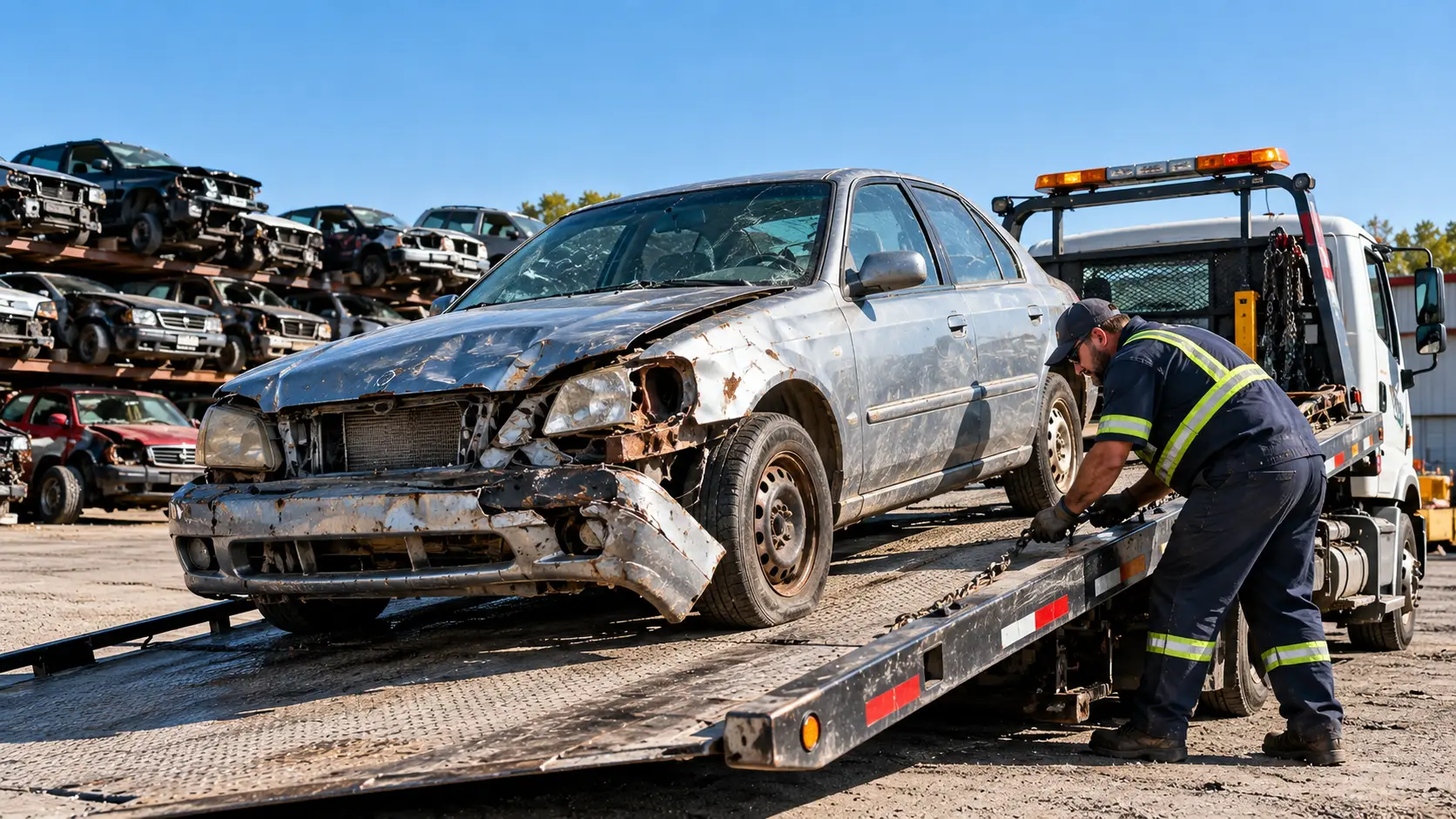
How Much Is a Scrap Car Worth in Ontario?
If you have an old, damaged or non-running vehicle, you may be wondering: how much is a scrap car worth in Ontario?
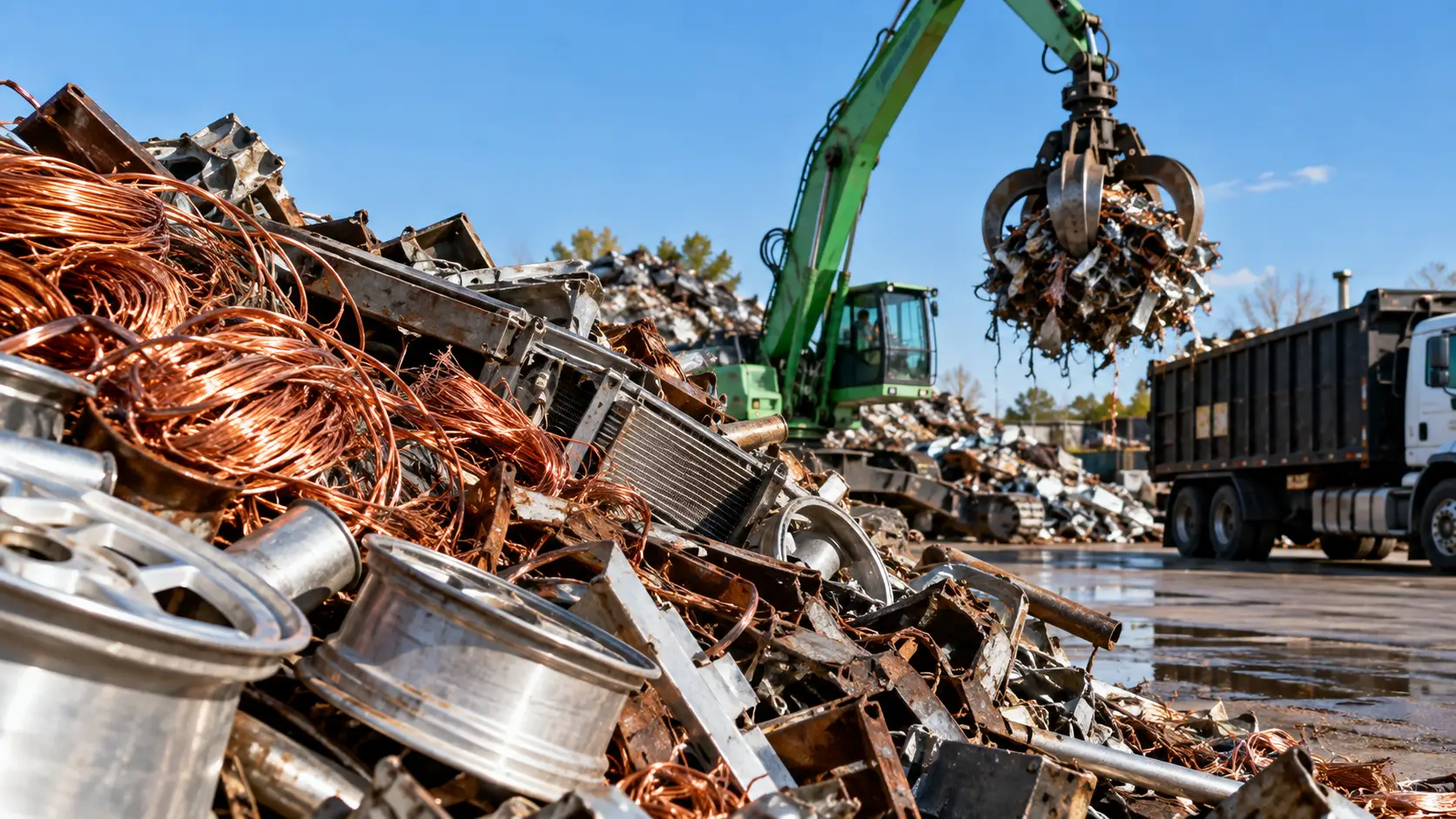
Scrap Metal Prices in Barrie: What Is Your Scrap Worth?
If you have old copper wire, aluminum, brass, steel, stainless steel, car parts, or other recyclable metal sitting around, one of the first questions is usually the same: how much is my scrap actually worth?
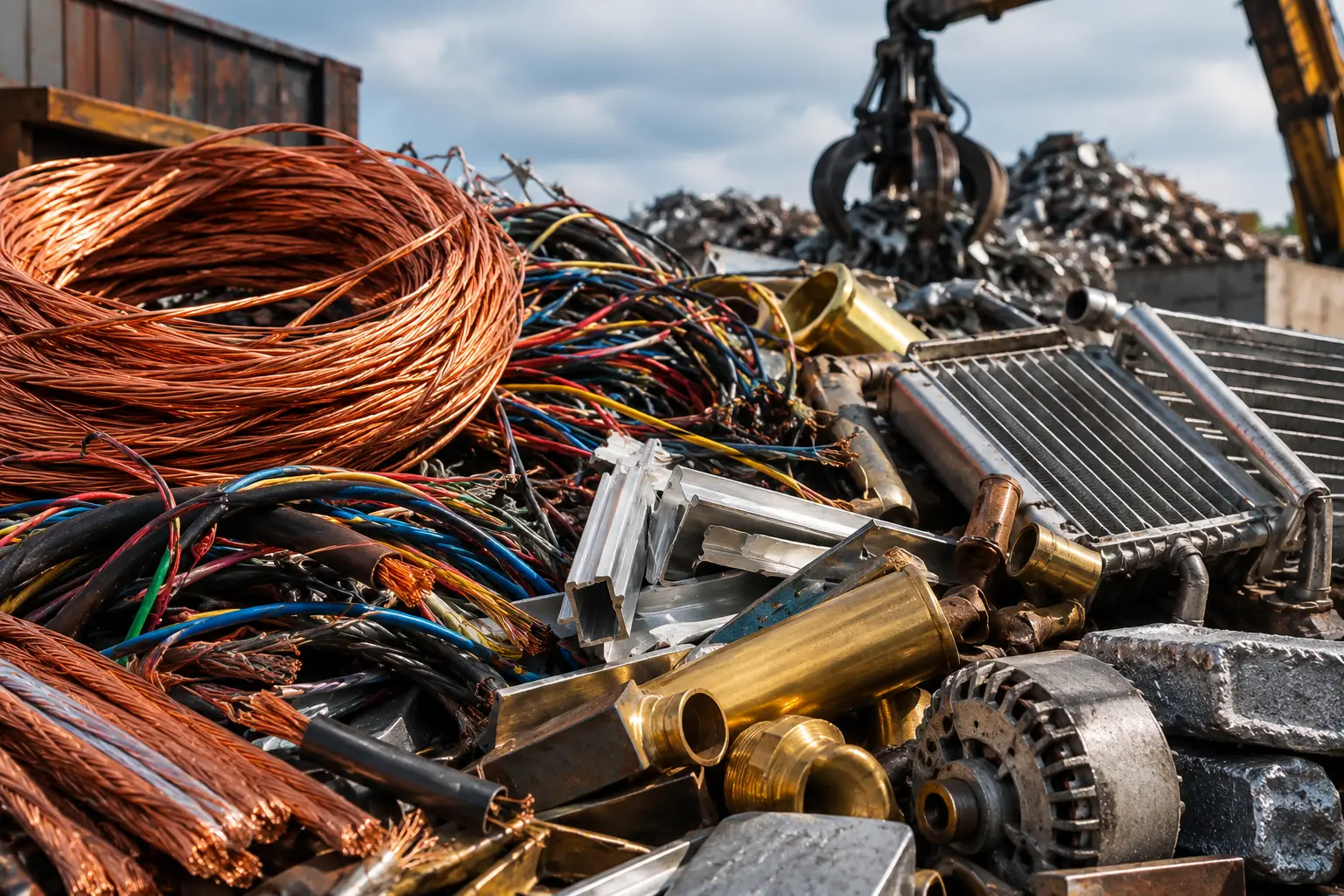
How to Sort Scrap Metal Before You Drop It Off
A practical guide to separating common metals, preparing a safer load, and knowing when to leave dismantling to the recycling yard.